
Your cart is empty
21:42 Wilhelm I, The Emperor Who Changed the Map of Europe | |
 ← View more custom works
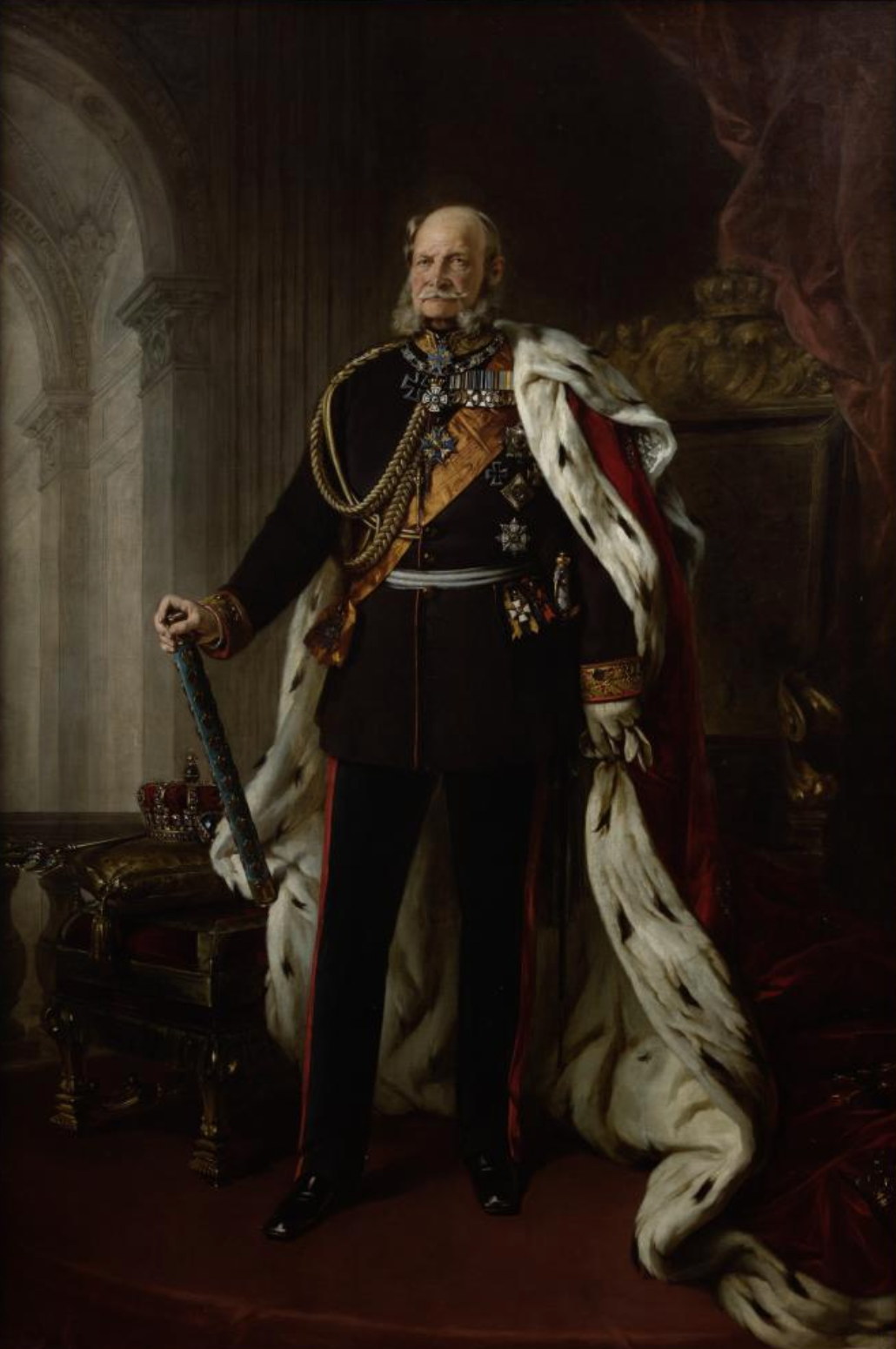
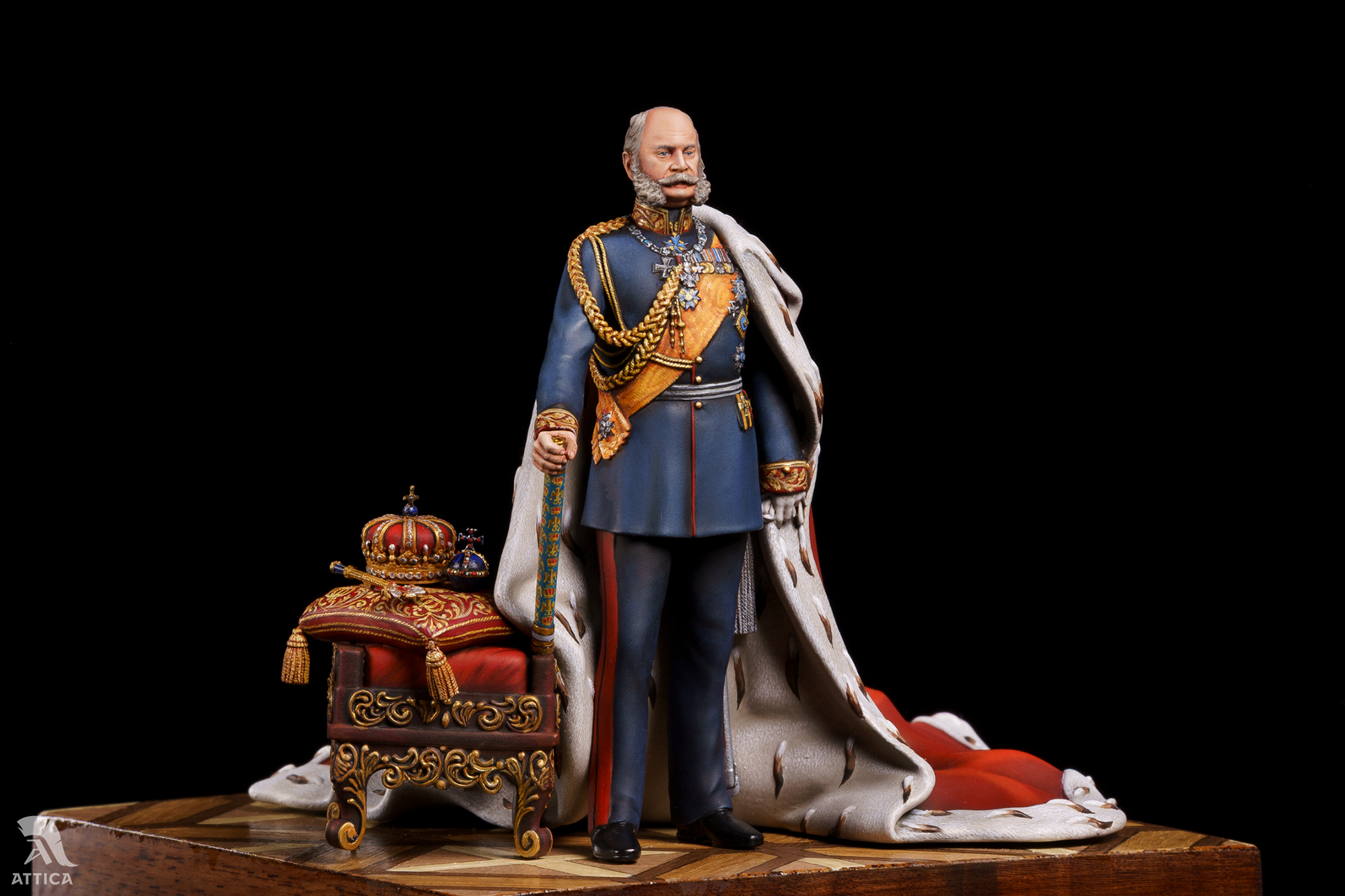
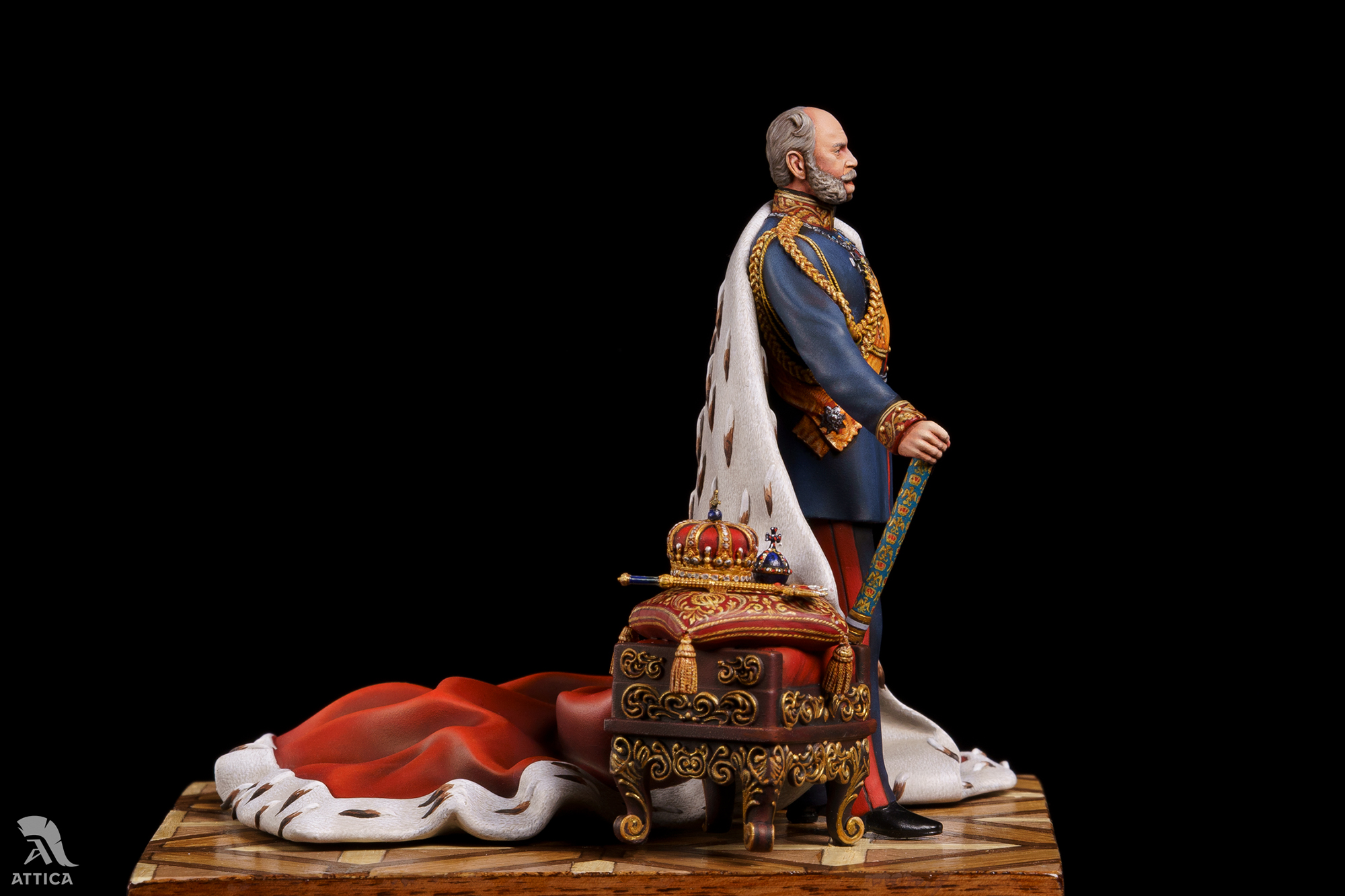
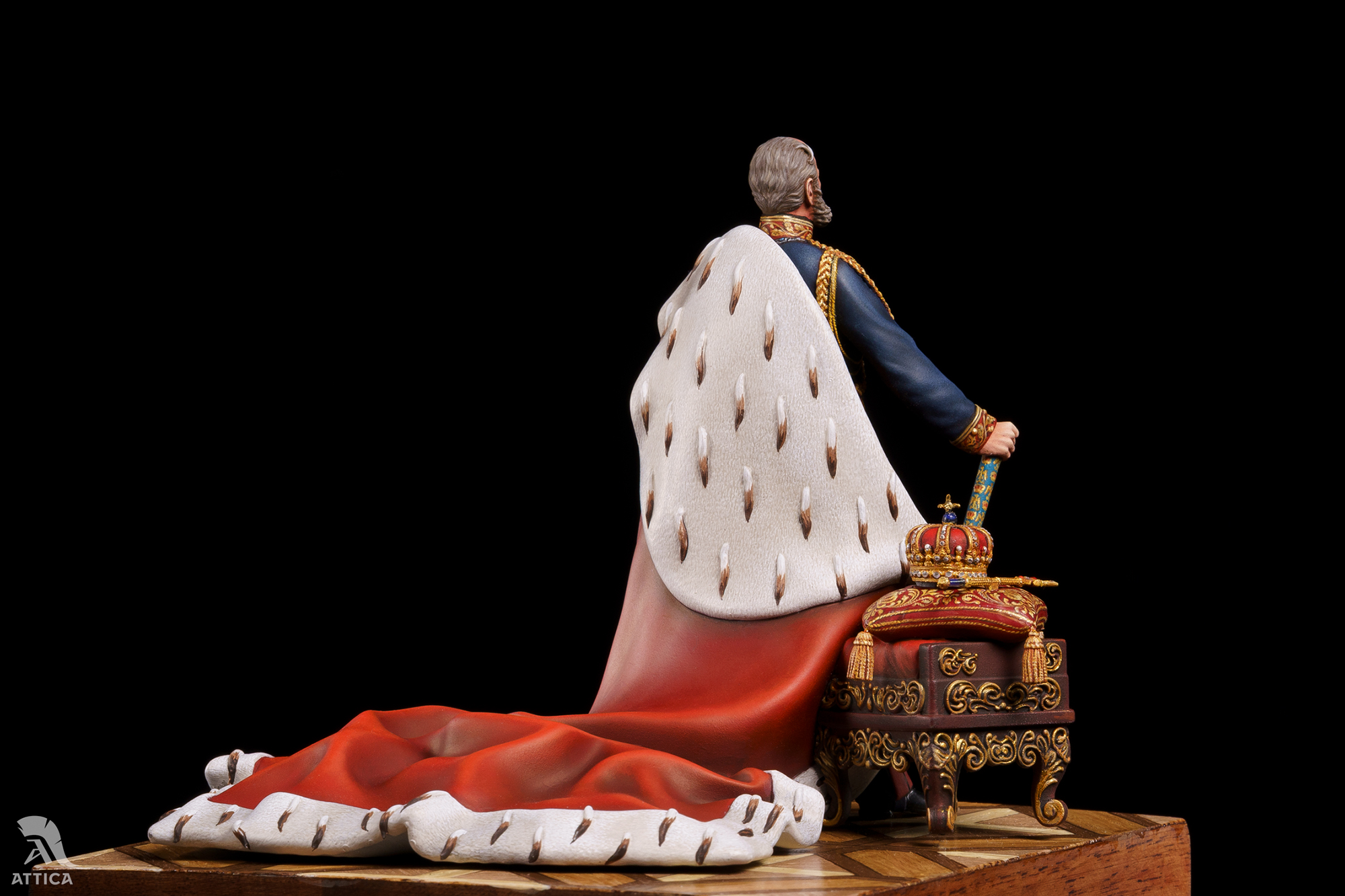
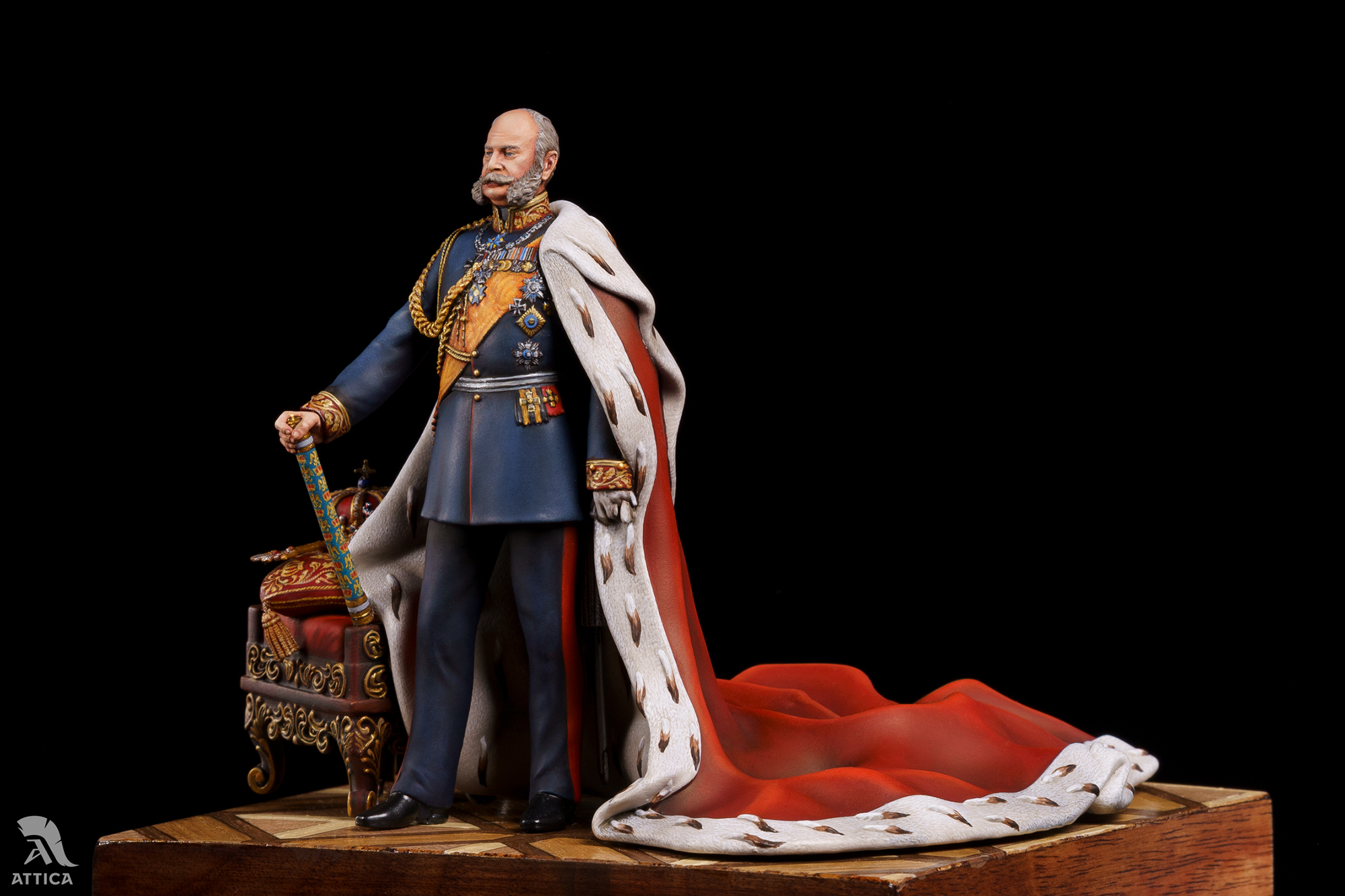
Attica Miniatures · Historical Portrait Kaiser Wilhelm I — The Emperor Who Changed the Map of EuropeInspired by the official state portrait by Paul Bülow, c. 1879. 1/20 scale 90 mm Resin Museum Quality
A historical portrait recreated in three dimensions by Attica Miniatures. A new balance of power The emperor who changed the map of EuropeSome rulers inherit powerful states. Others create them. Wilhelm I belongs to the latter. When Wilhelm was proclaimed German Emperor in the Hall of Mirrors at the Palace of Versailles on 18 January 1871, Europe entered a new era. For centuries, the German-speaking lands had existed as a patchwork of kingdoms, duchies, principalities, and free cities. Their unification into a single empire fundamentally altered the balance of power in Europe. The birth of the German Empire transformed the newly unified Germany into one of Europe's foremost military, industrial, and economic powers. It shifted alliances, challenged the established influence of France and Austria, and reshaped international politics for decades to come. Historians often view the unification of Germany as one of the defining turning points of the nineteenth century, setting in motion political dynamics that would eventually contribute to the tensions leading to the First World War. Although the architect of unification was Chancellor Otto von Bismarck, it was Wilhelm I who became the enduring symbol of the new empire. His reign coincided with the unification of Germany, the acceleration of the Industrial Revolution, the rapid expansion of railways and heavy industry, and the emergence of modern nation-states. Europe was becoming more interconnected, more industrialized, and increasingly shaped by competition between the great powers. 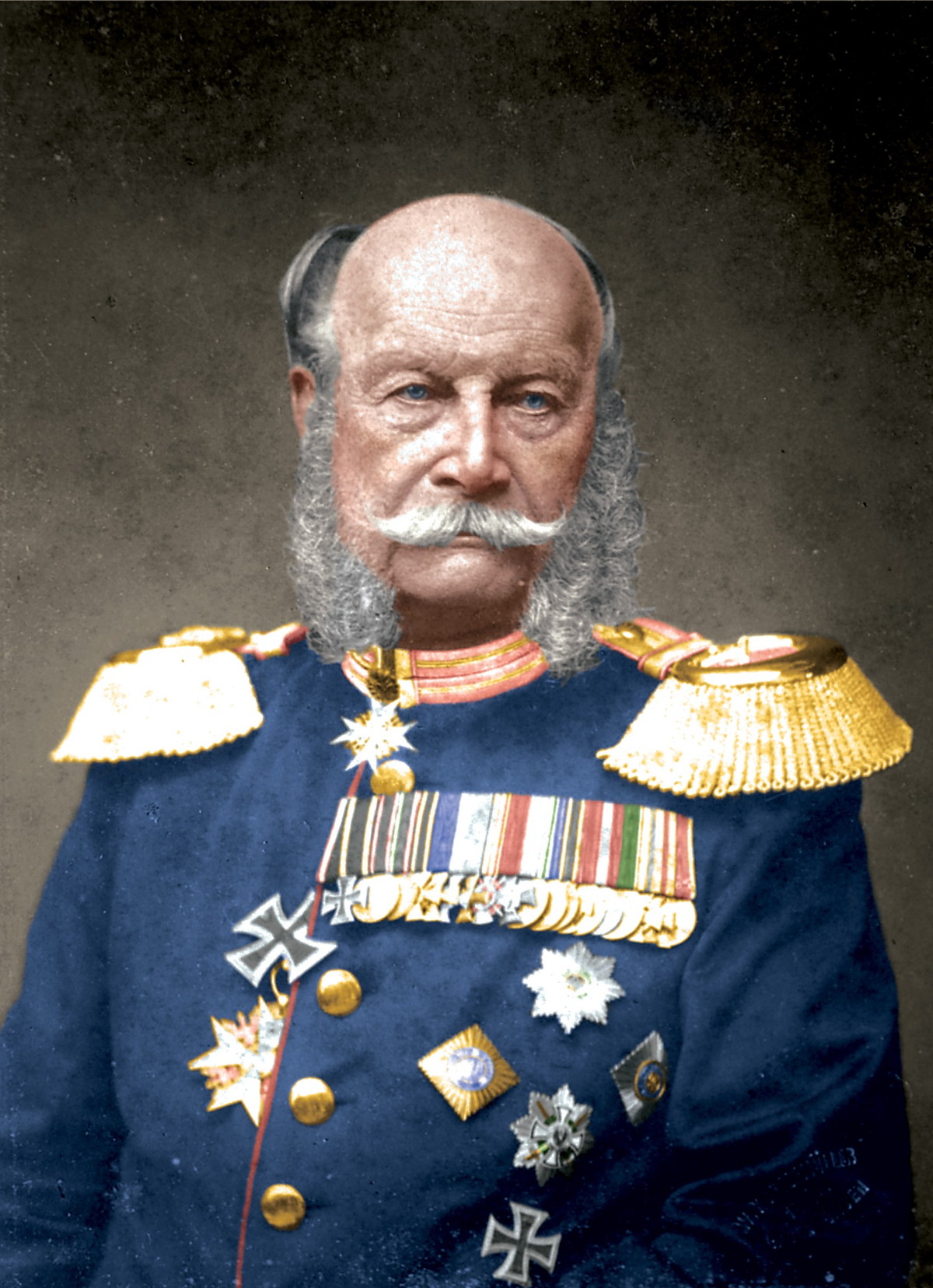 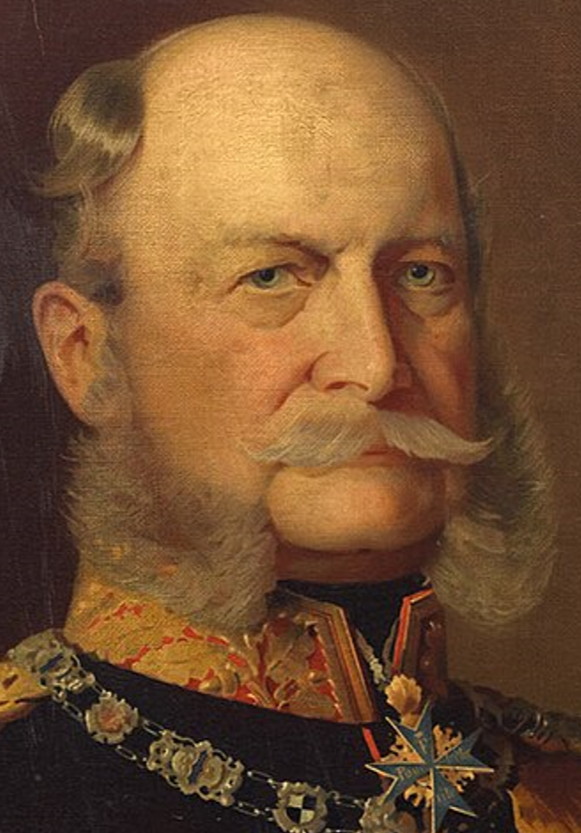 A lifetime in service Witness to a changing EuropeBorn in 1797, Wilhelm witnessed the Napoleonic Wars, the rise of nationalism, the Revolutions of 1848, which swept across much of Europe as liberals and nationalists demanded constitutional government and national self-determination, and the rapid industrialization of the continent. Few monarchs experienced such profound historical change within a single lifetime. Unlike many rulers remembered primarily for military victories, Wilhelm's greatest legacy was political. His partnership with Otto von Bismarck proved decisive in achieving German unification through military reform, the diplomatic isolation of Prussia's rivals, and three successive conflicts—the Danish War (1864), the Austro-Prussian War (1866), and the Franco-Prussian War (1870–71). Together, these events transformed Prussia from one of several German kingdoms into the leading state of a unified empire. By the time of his death in 1888, Wilhelm I had become more than a king or emperor—he had become the embodiment of the German state itself. The portrait behind the miniature The image of an empireFor this miniature, we chose one of the most recognizable official portraits of Wilhelm I, attributed to the Prussian court painter Paul Bülow and dated to around 1879. The painting, preserved today in the Museum für Kunst und Kulturgeschichte of Philipps University Marburg, presents the emperor at the height of his authority. Rather than portraying Wilhelm as a victorious commander, the portrait follows the long tradition of European state portraiture. Draped in an ermine-lined ceremonial mantle inherited from centuries of monarchical tradition, and accompanied by the Imperial Crown and Imperial Sceptre, the emperor is presented as the embodiment of legitimate sovereign authority rather than military power. The composition deliberately echoes the visual language of European royal portraiture that had symbolized dynastic legitimacy for centuries. This was not intended to be the likeness of an aging monarch alone. It was a carefully constructed image of imperial legitimacy. Every detail—from the ermine mantle to the Imperial Crown—was designed to communicate that a new empire had entered the stage of European history.
It is an image of confidence rather than triumph, of authority rather than conquest. 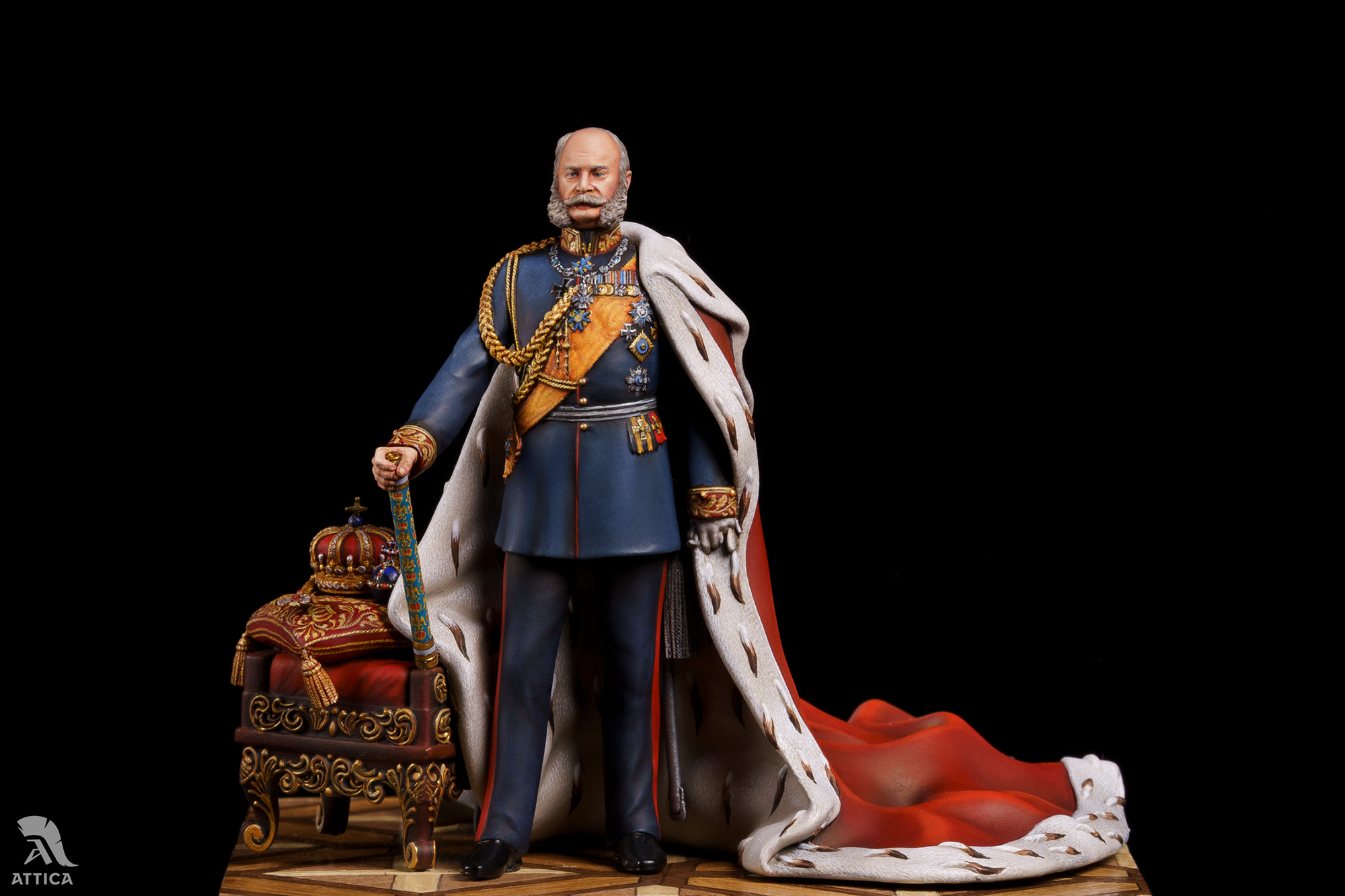 Bringing history into three dimensions From painted image to sculptural presenceOur goal was never simply to reproduce a painting. Instead, we sought to recreate the historical presence of Wilhelm I in three dimensions, preserving the quiet authority that defines the original portrait. Every braid, decoration, order, embroidered cuff, and fold of the ceremonial mantle was carefully researched and sculpted to remain faithful to the historical references. The miniature preserves the visual language of the original portrait: the restrained pose, imperial regalia, ceremonial mantle, crown, sceptre, and carefully controlled sense of authority.
1 / 8
    1 / 8
Project details A commission that became part of our collectionSubject Kaiser Wilhelm I
Scale 1/20, 90 mm
Material Resin
Painting level Museum Quality
Sculpture Pavel Rodygin
Availability Available to order
Manufacturer Attica Miniatures
Product code MU217
Originally developed as a custom commission, this figure is now part of the Attica Miniatures collection and is available to order. Portrait and miniature The same image, reimagined in three dimensionsMore than 150 years after the proclamation of the German Empire, Wilhelm I remains one of the pivotal figures of modern European history. Few official portraits are so closely associated with a turning point in European history. The man depicted here did not merely rule an empire—he presided over its creation. 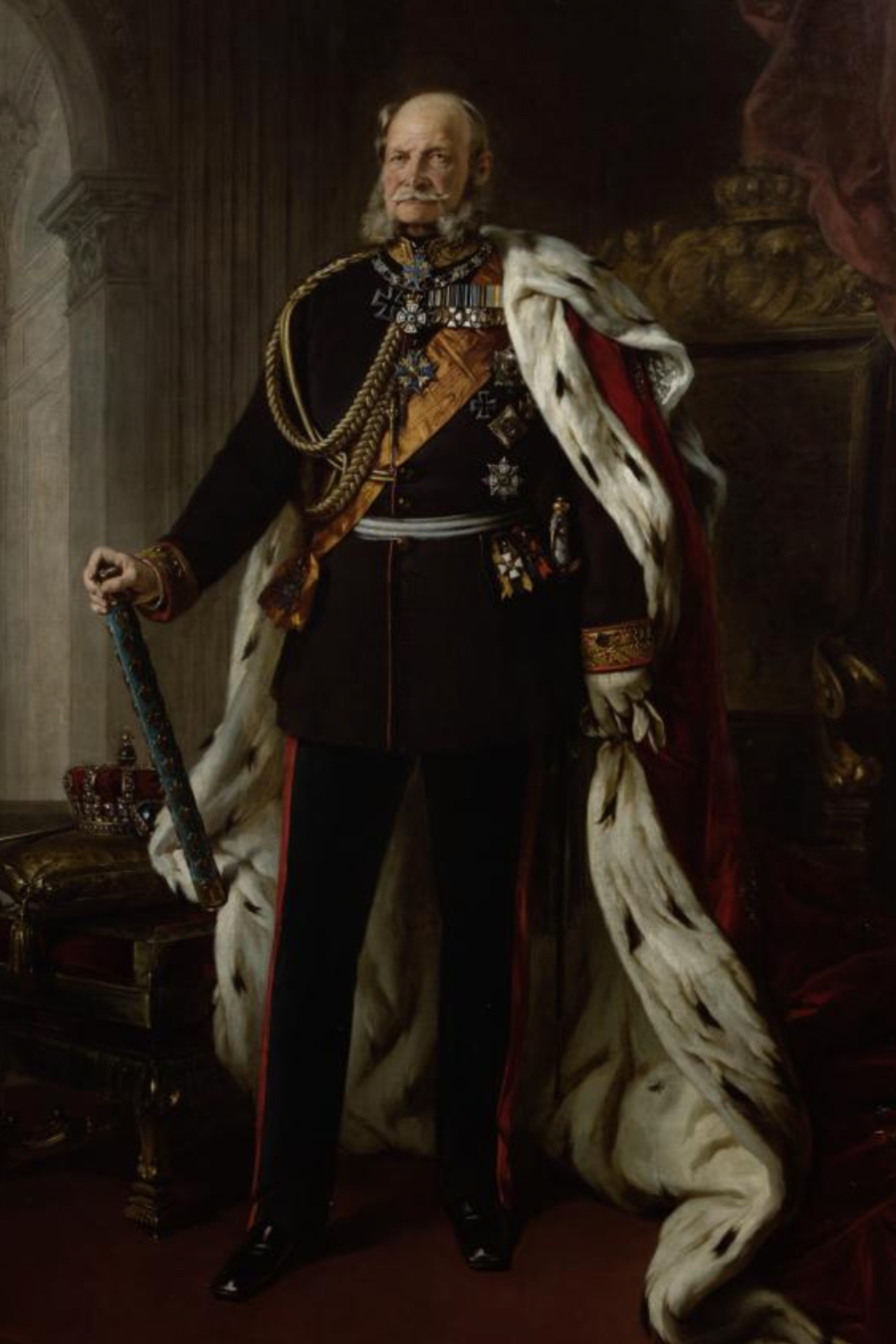 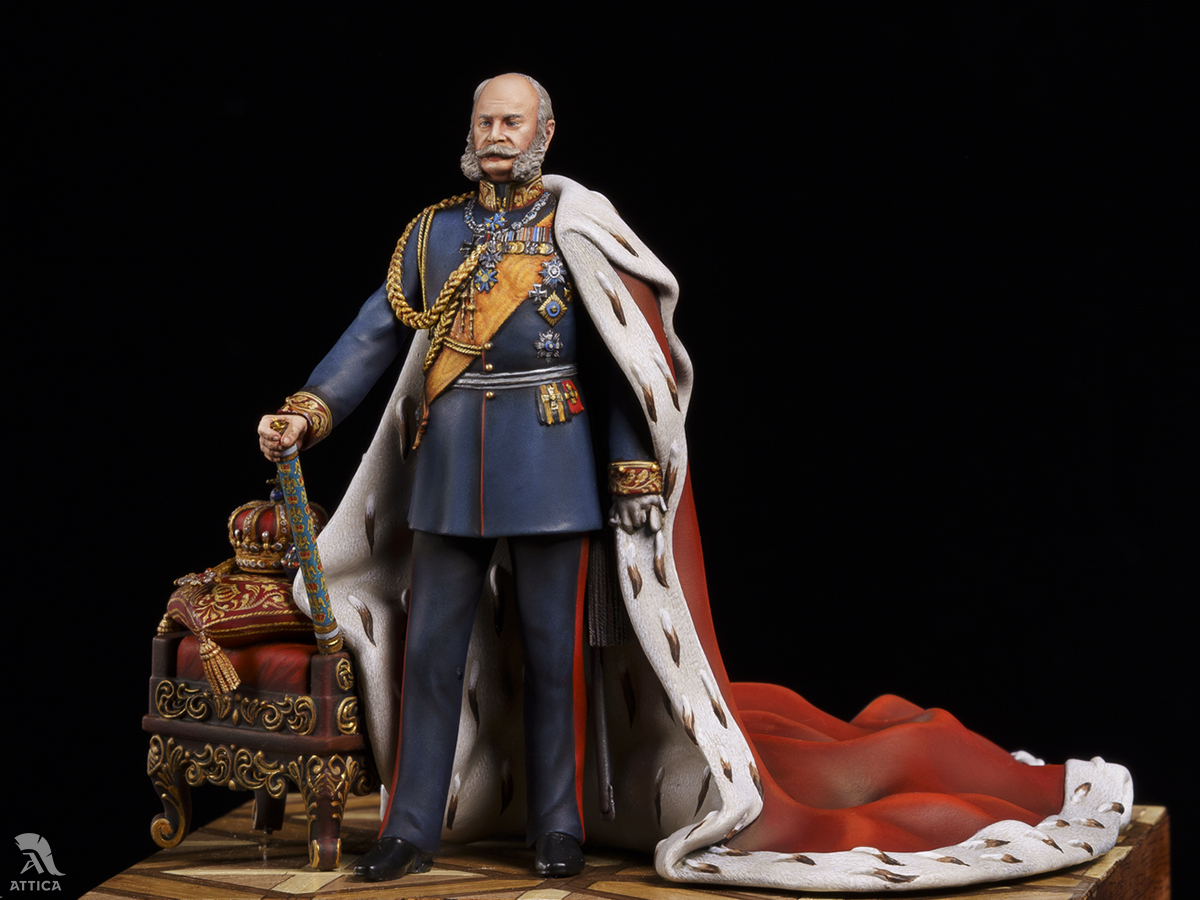 This miniature captures not only the likeness of an emperor, but a defining moment in the history of Europe.
Custom historical miniatures Have an idea for a custom historical miniature?Attica Miniatures creates bespoke historical and fantasy figures for private collectors worldwide. A custom project can begin with a historical personality, a portrait, a scene, a specific period, or a single powerful idea. Our studio can develop the concept, historical research, sculpting, accessories, painting, scenic base, and final presentation—from the first idea to the finished one-of-a-kind miniature. A custom miniature can begin with a single historical idea. Prefer email? Write to info@atticaminiatures.com |
|
|
| |